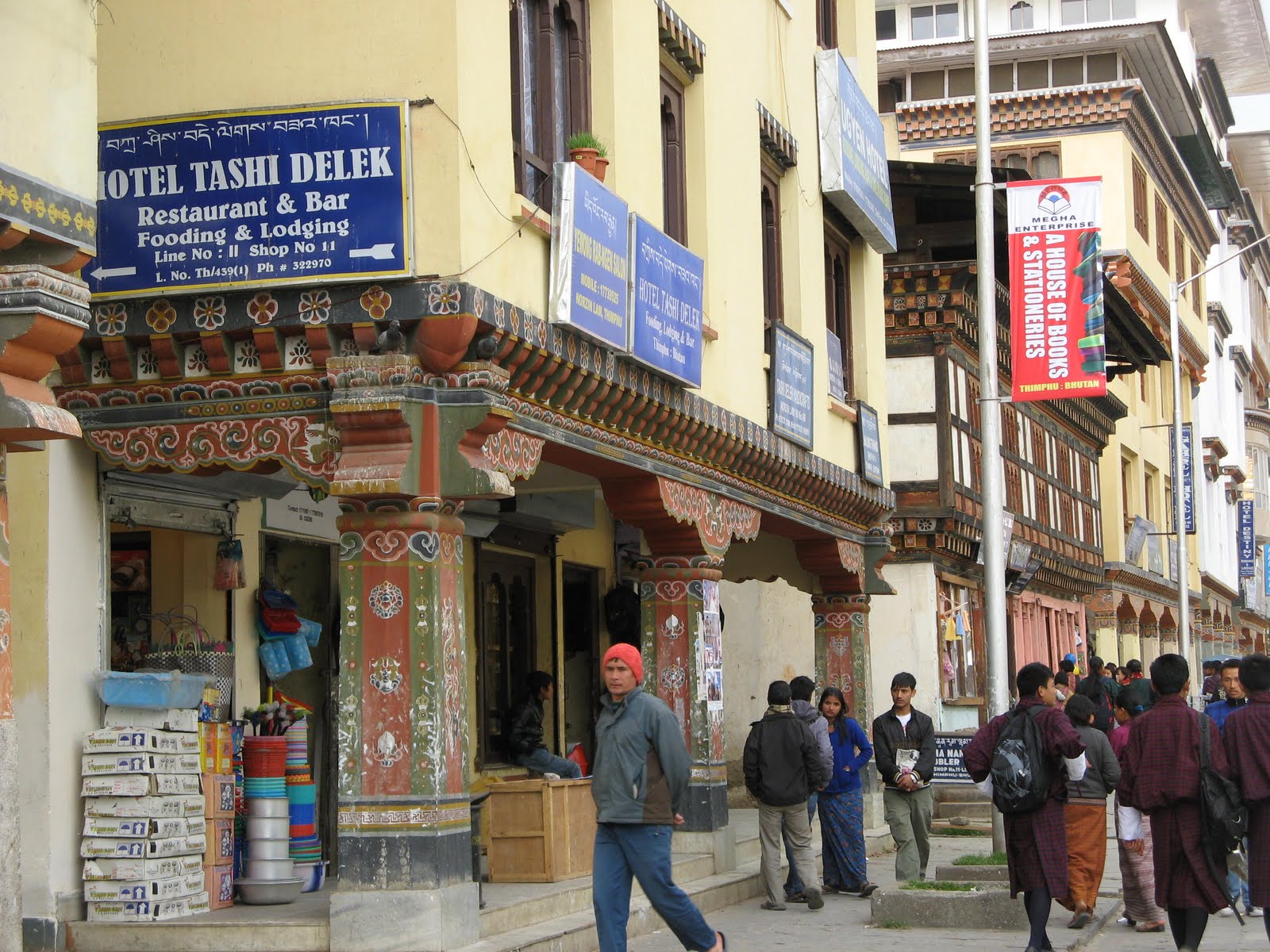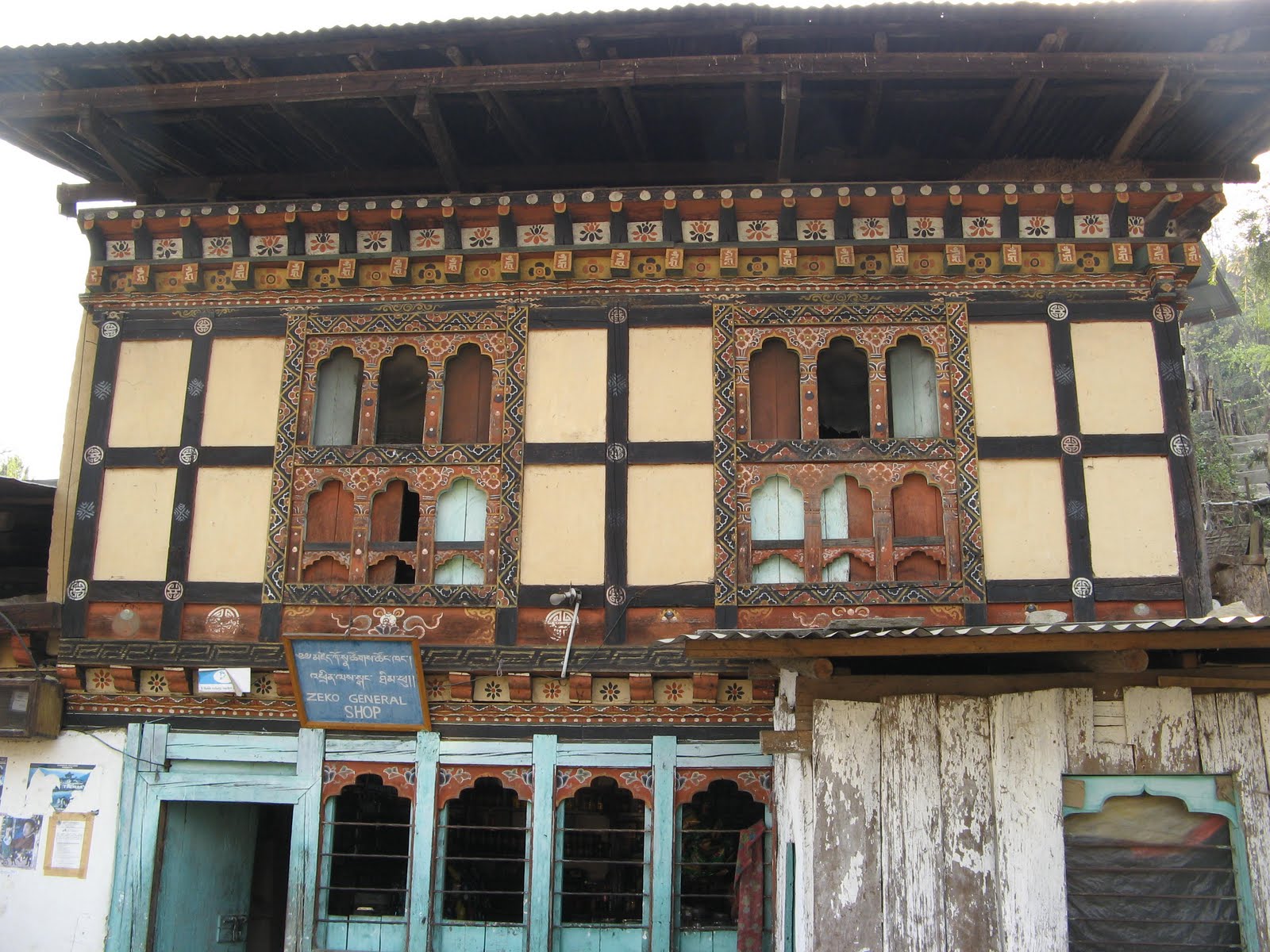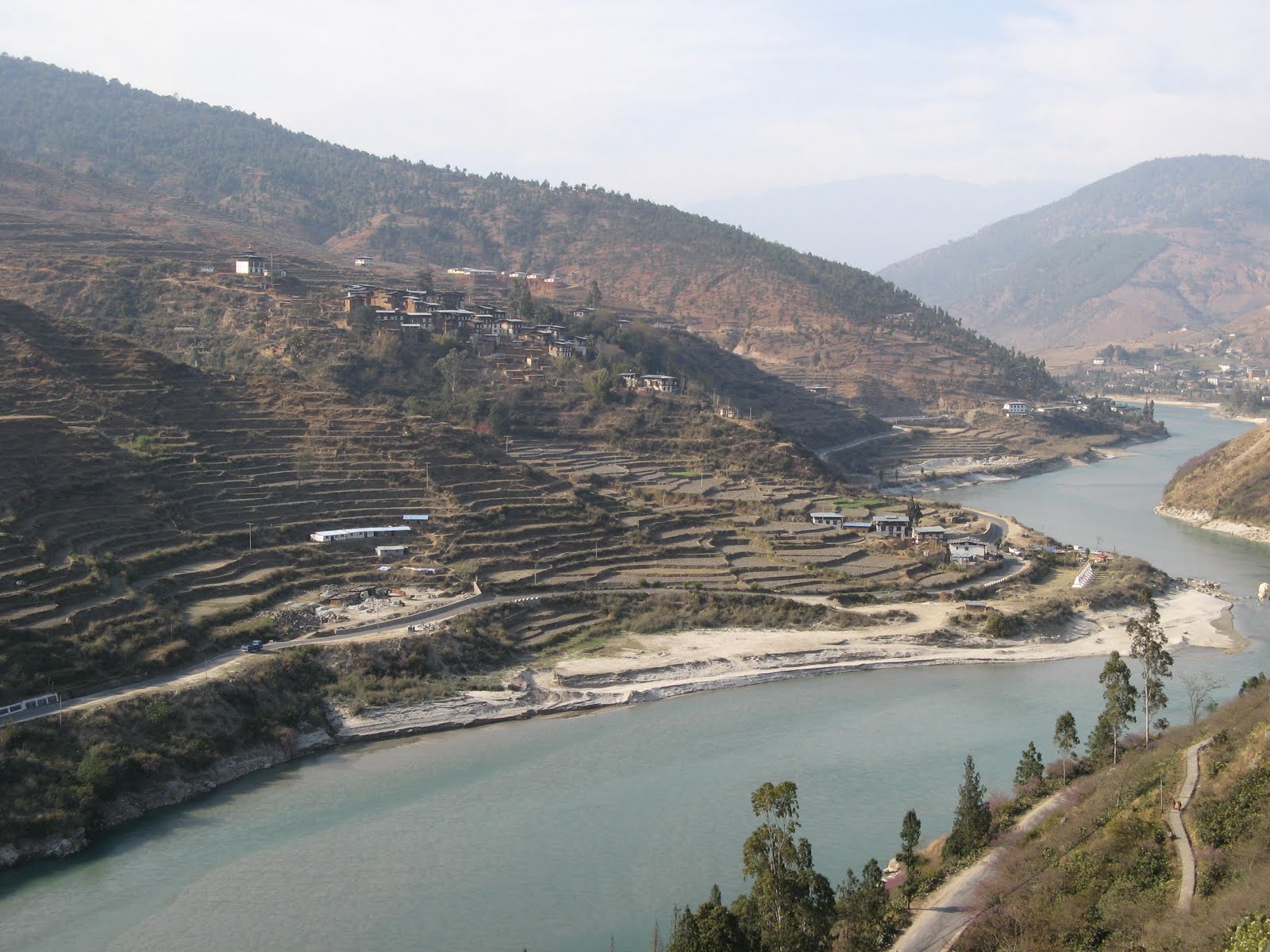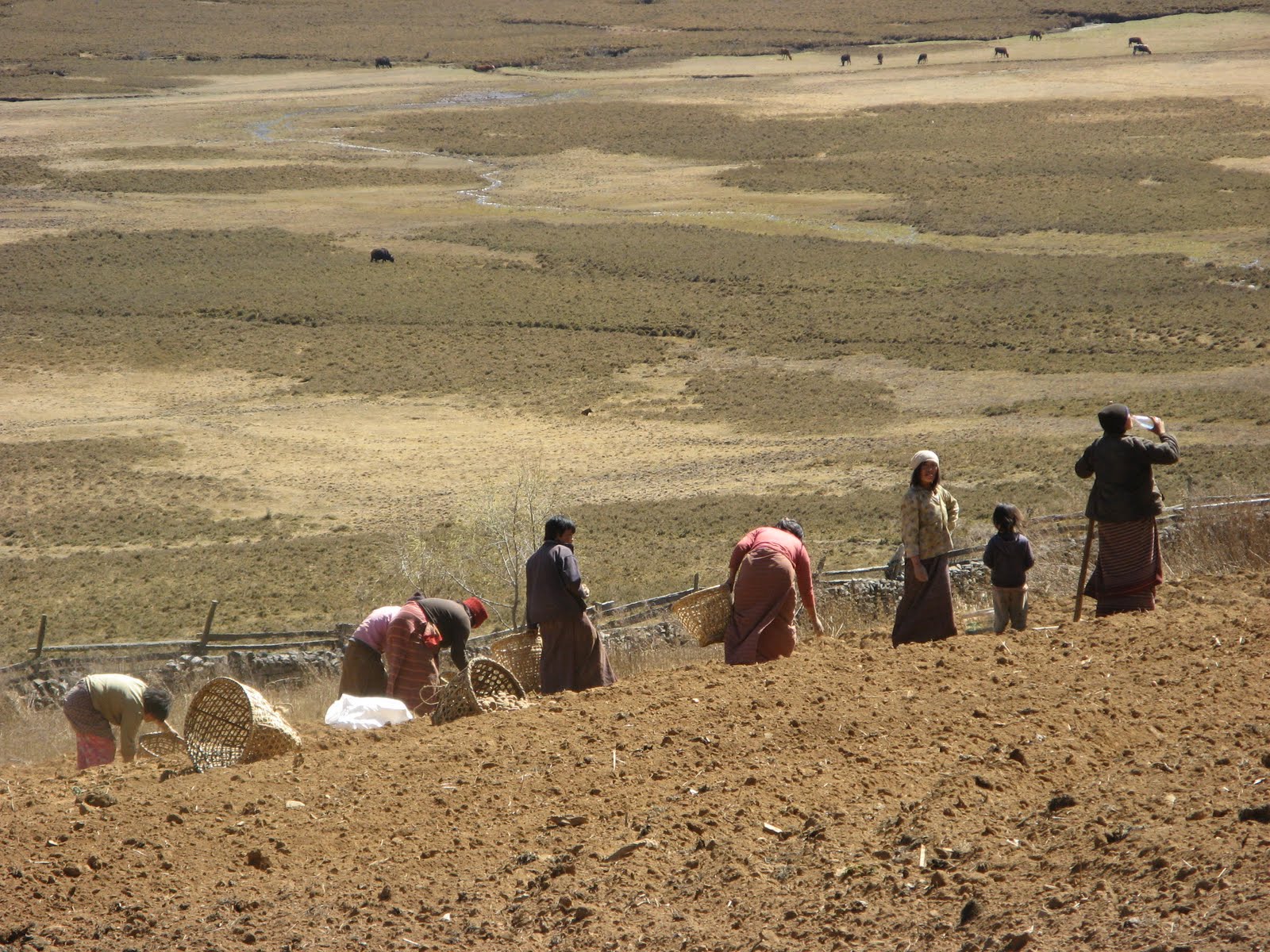



country Bhutan is a unique yet similar to others. Textile designs resemble those of the Andean countries. Agricultural land in gradient are equal to the ancient platforms (top photo 2) . The strength of Drugyal Paro Dzong (Figure 6) , built in 1646, remembers the Kuelap fortress, built by the Chachapoyas culture Peruvian six centuries before.
 Mountains, the size of its territory and multilingualism take us to Switzerland. The Bhutanese have four official languages, of which two are widely spoken: the Dzongkha and Lhotshamkha or Nepali. Meanwhile, Bumthangkha spoken in central and Tshanglakha in the east. In the main cities (Paro and Thimphu) you can communicate in English, language that children learn in school.


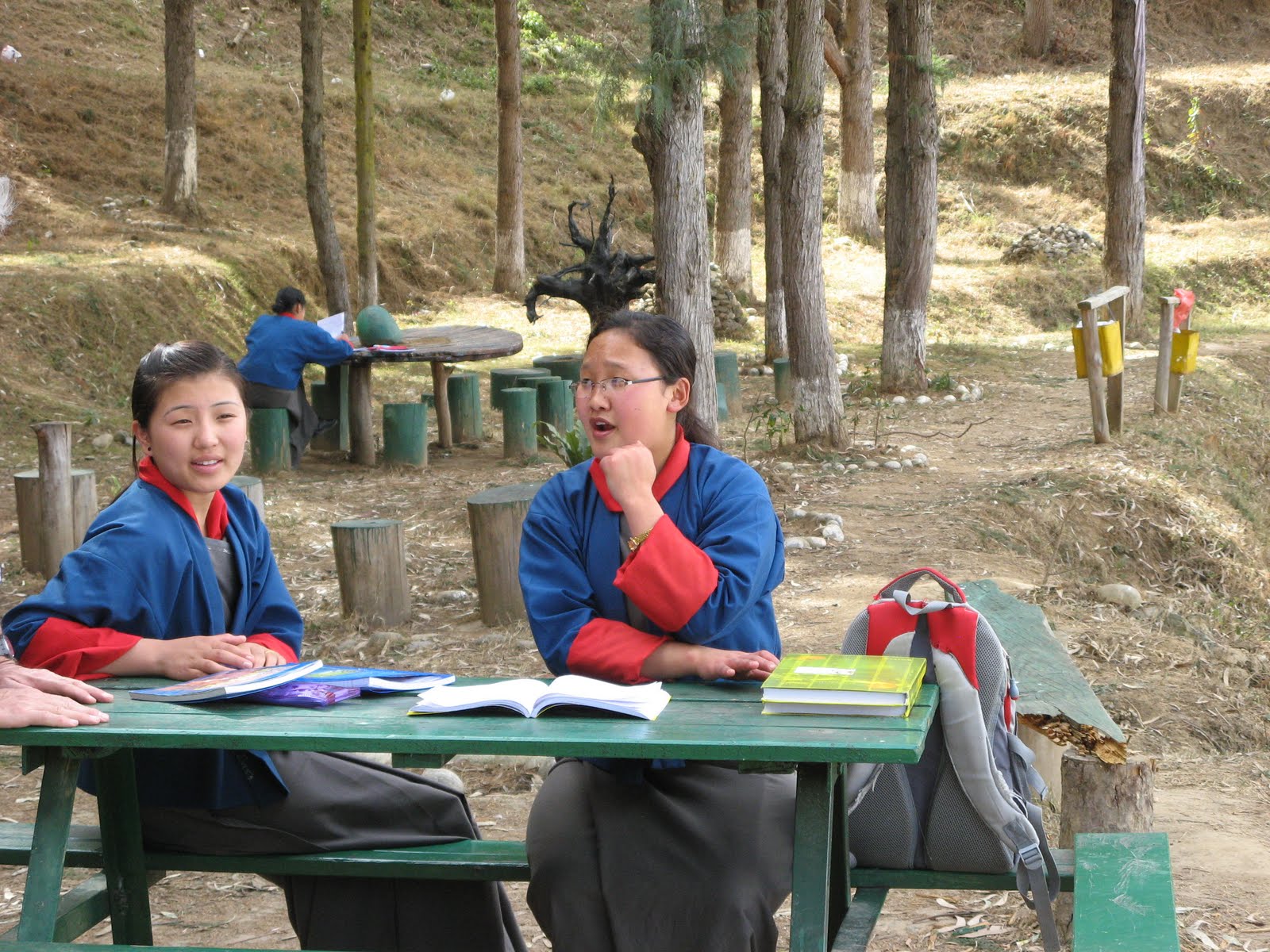
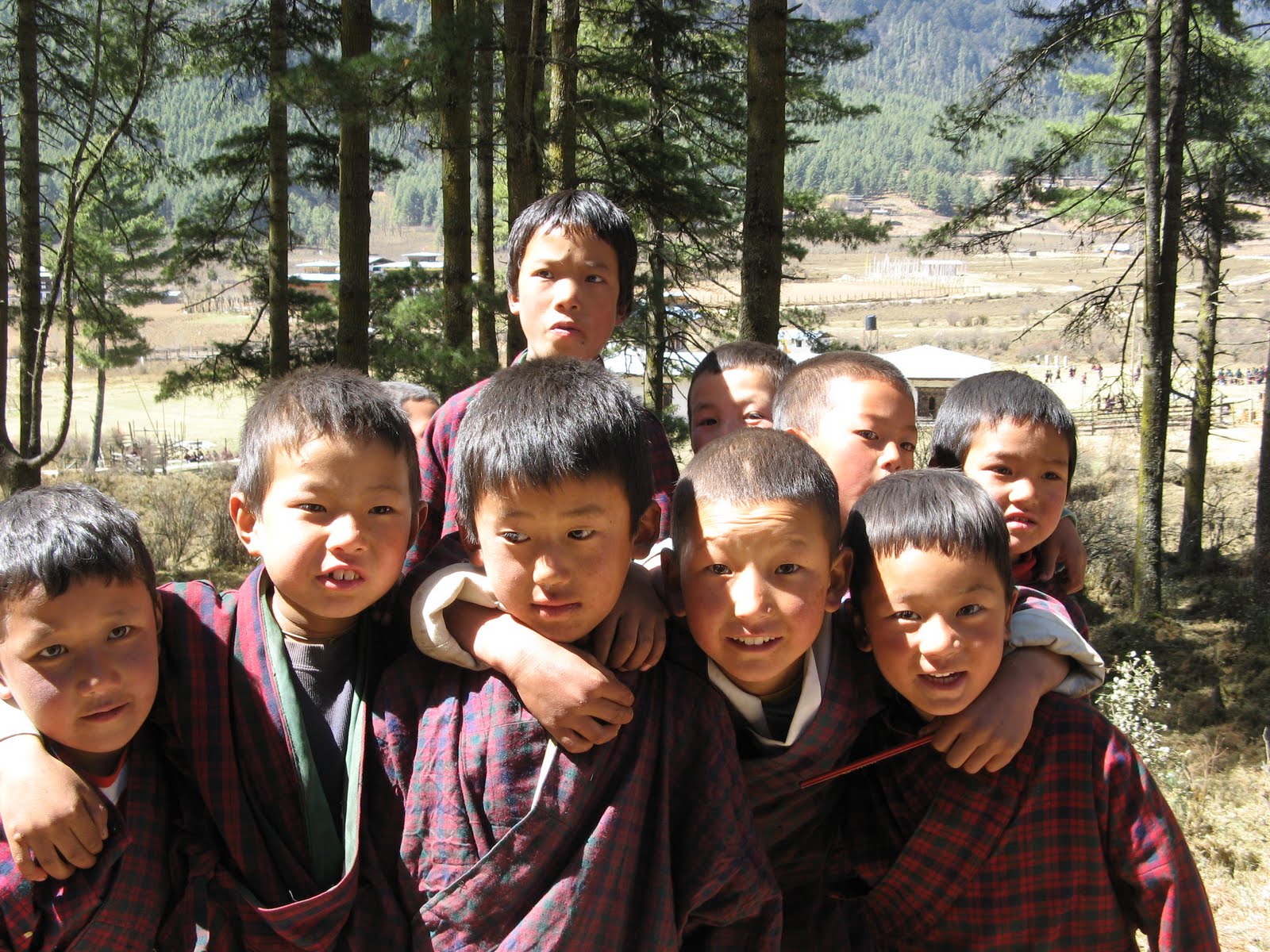
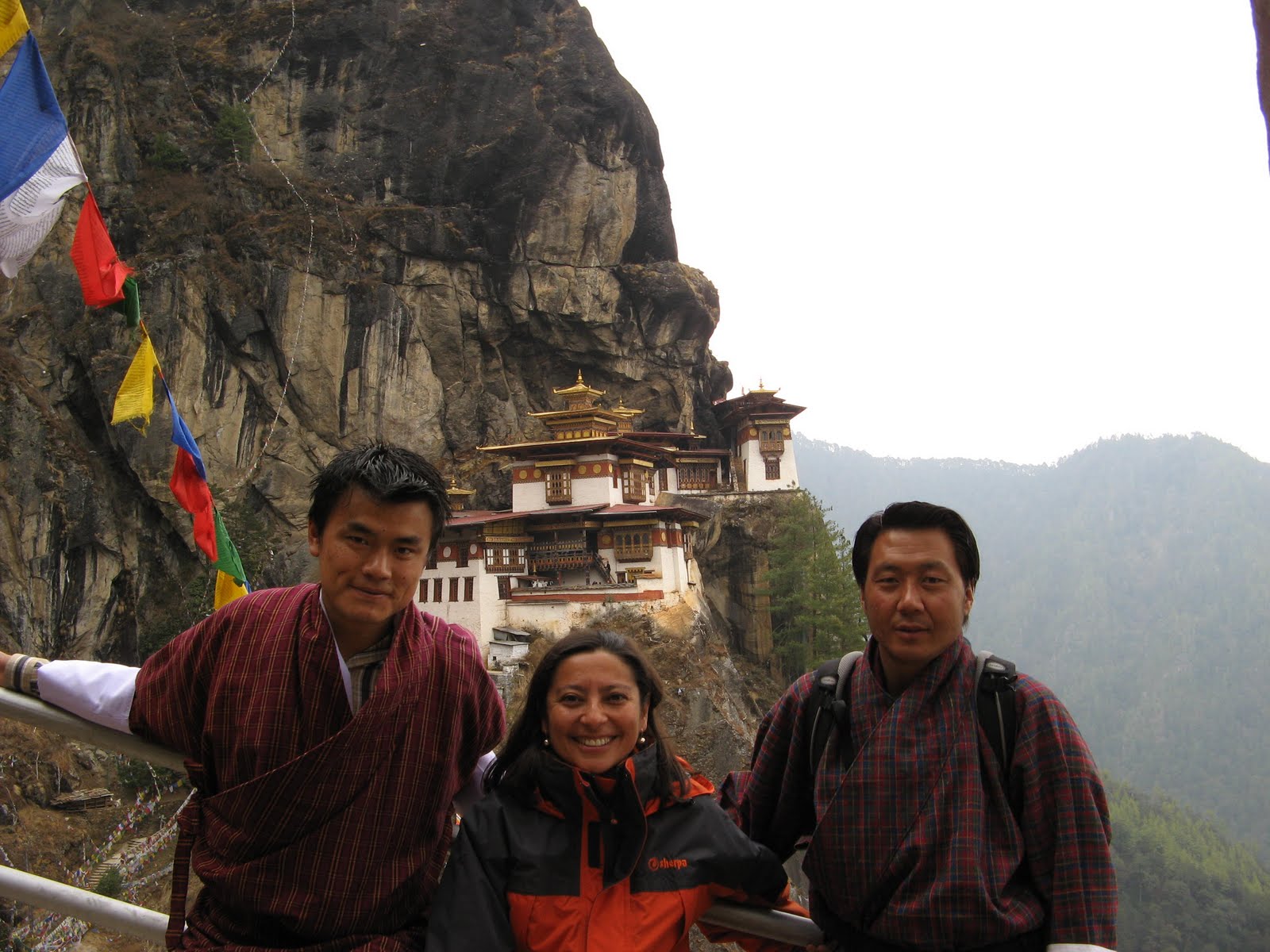
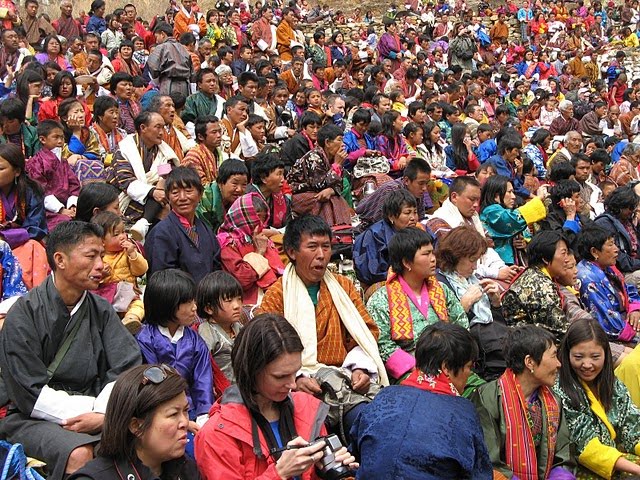
I wear the Bhutanese? Are required to wear traditional clothing in public places. The women Kira (at the beginning of this paragraph, figure 1) , two-piece dress that covers the entire body, and men Gho (fot or 2) , a shirt to the knees. Sometimes wear boots (photo 3) with a strip that identifies his rank in society: the king yellow, orange ministers and deputy ministers, red for government officials, parliamentarians blue and green for the rest of the population.


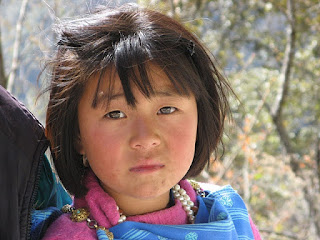
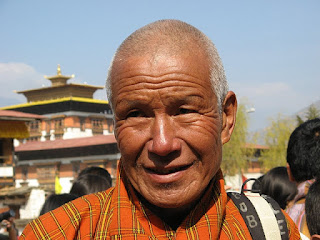
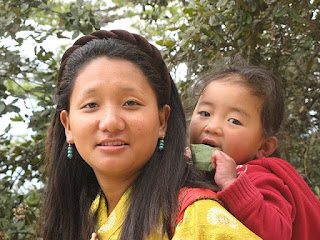
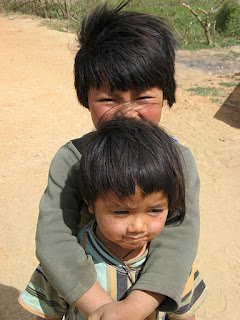


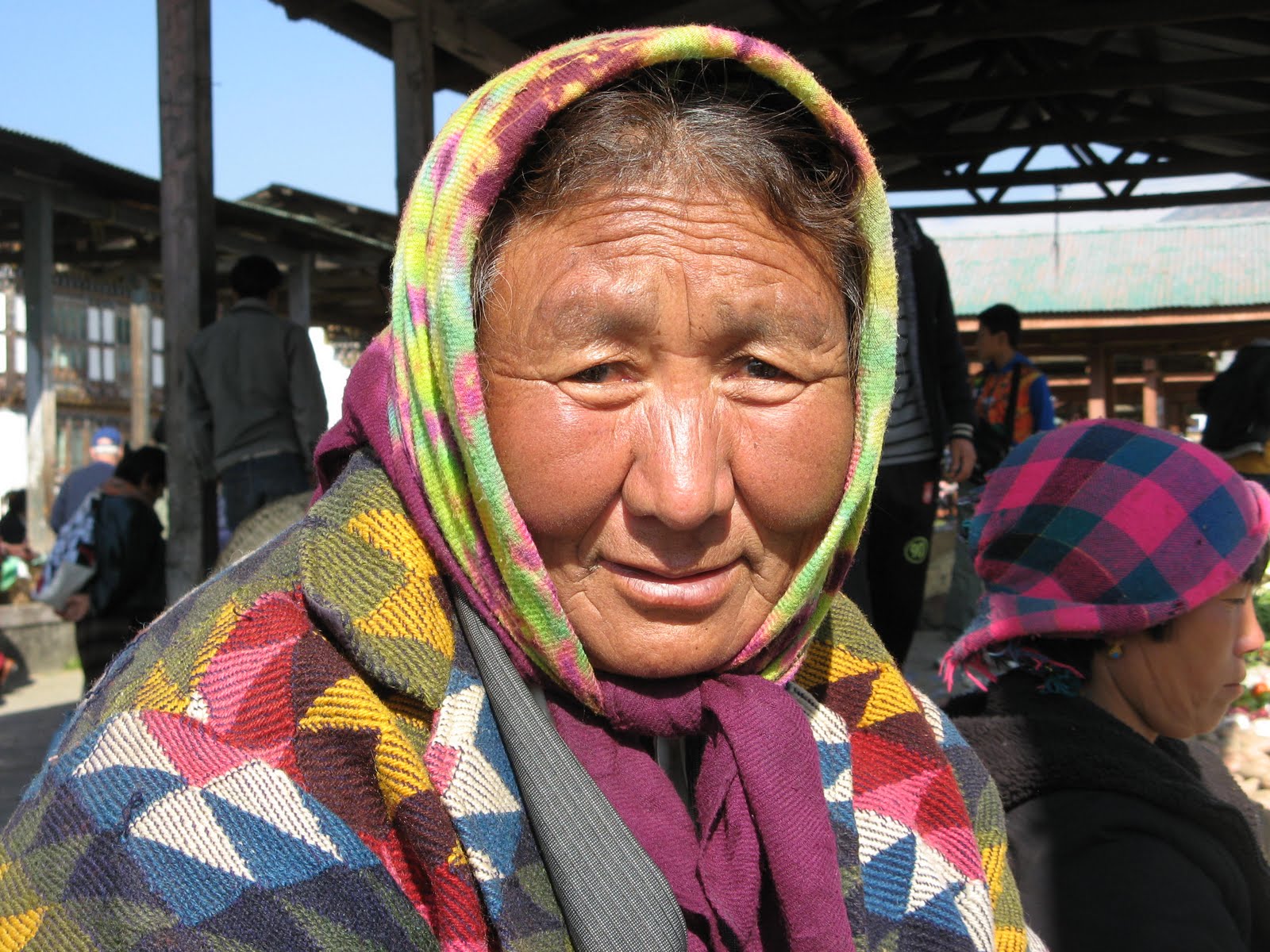
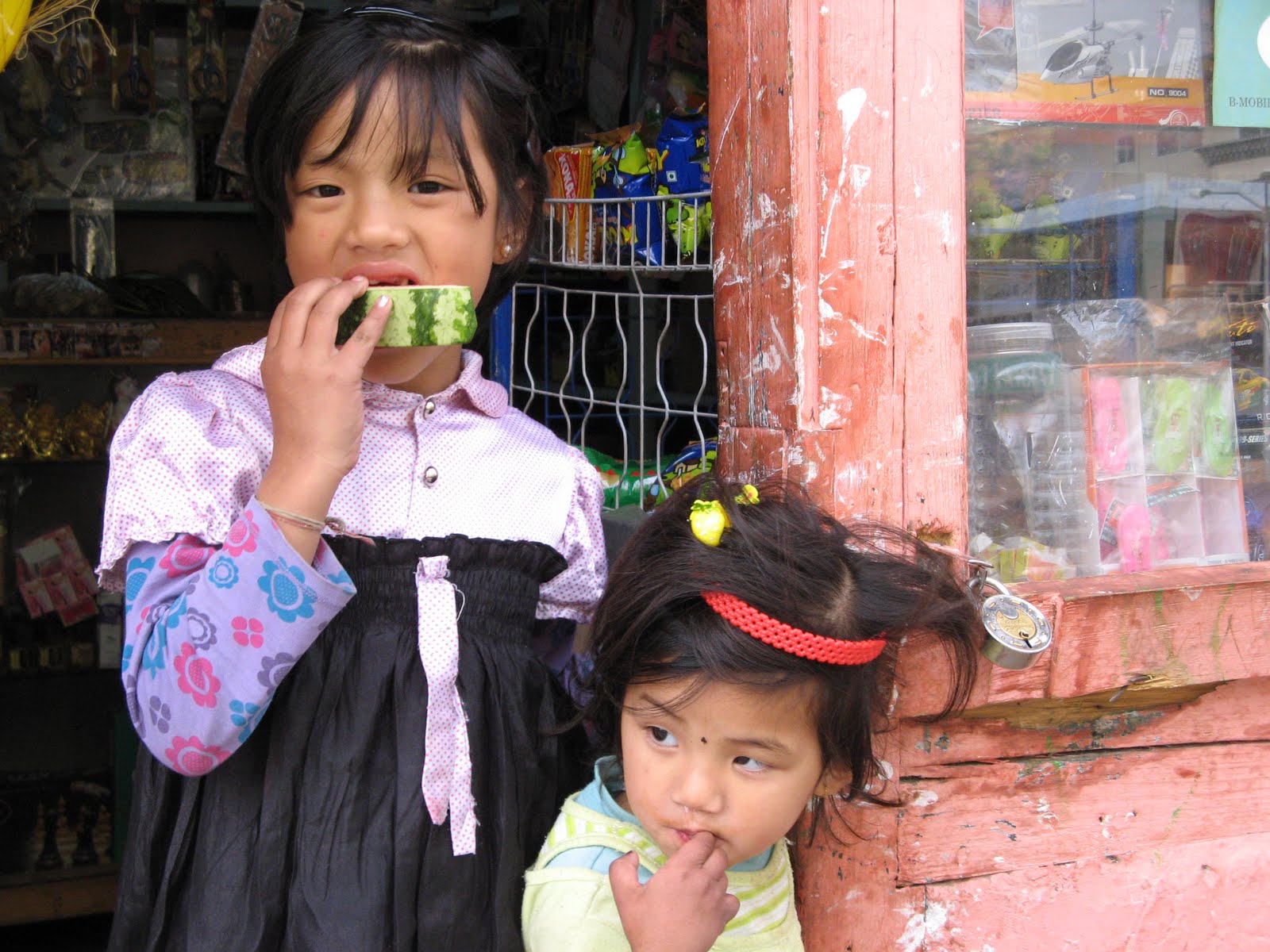
There is a face that identifies the Bhutanese? No. There are many faces with features that are the result of mixing ethnic groups in neighboring countries (India, Nepal, Tibet). Repeatedly told me that seemed Bhutanese. "If I used s K n anger or would any ad uda" , one person told me. They caught the attention of many faces. For the Bhutanese do not mind being photographed, yet it is better to ask first, in return ask to see their images on the screens of digital cameras.

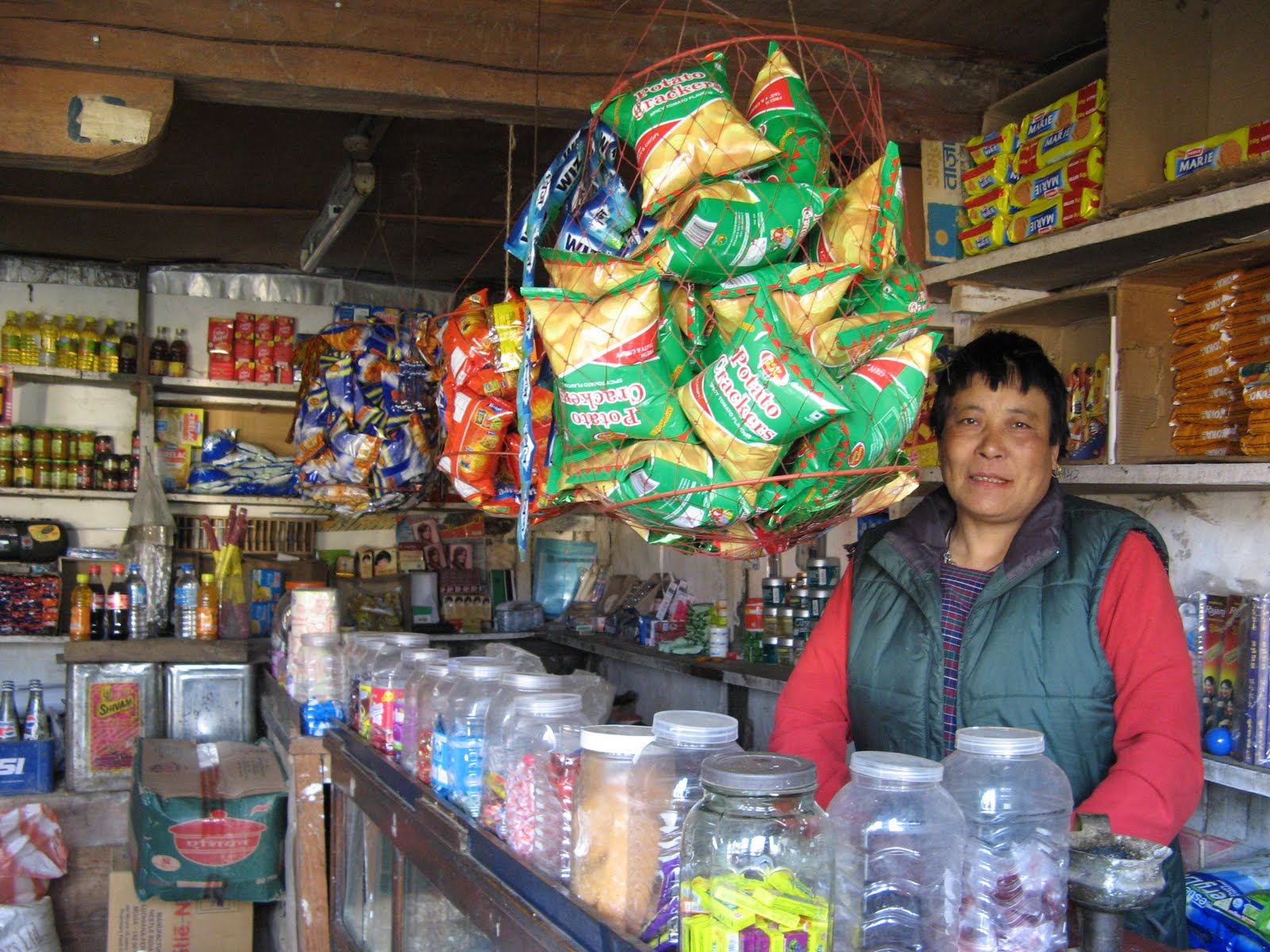
 do they eat? Spicy rice at three meals. One of the most delicious dishes are cooked with cheese turnip. Usually feed on plants, because as Buddhists should not killing animals. However, it is possible to buy fresh meat and sausages in the markets. No fish for not killing fish, but fish imported from India. The weekly markets of fresh produce, such as Saturdays from Paro, is a way to know the products they consume.
And art and culture? They are everywhere impregnated with religion. In the small National Library of books on Buddhism timpu abound, and in the few rooms are their religious icons. Music and dance are present in the celebrations and festivals throughout the country. There are three musical genres: Zhungdra (traditional tunes and classic), Boedra (folk songs) and R igsar (modern subjects), which combines traditional and modern instruments like the electronic keyboard. The latter young love.

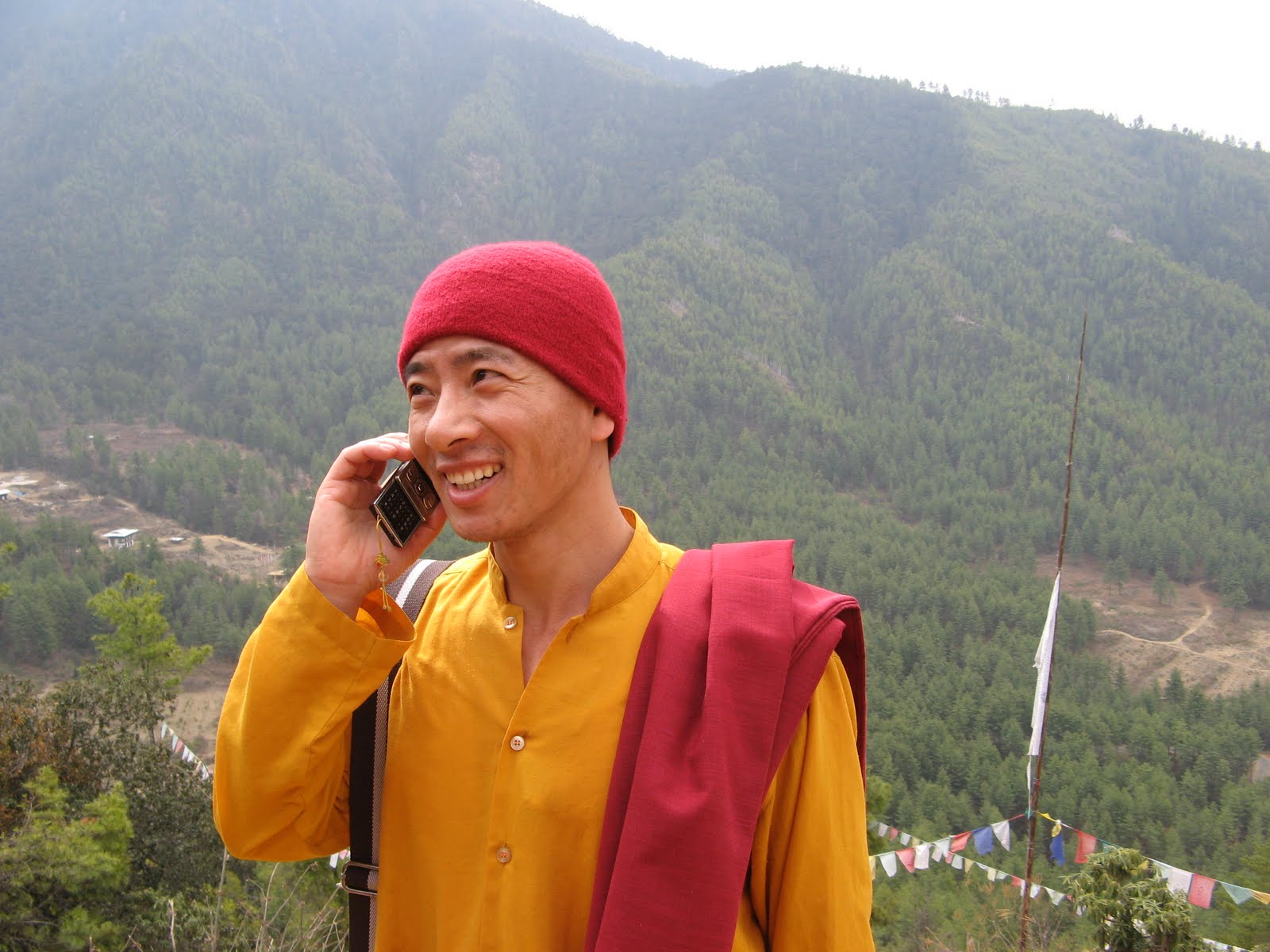
 The film industry is almost nonexistent, such as movie theaters. In some cities the film screenings are held in makeshift tents outside (side, photo 1) . There counted filmmakers, Khandu Rapey (photo 2) met him while touring Paro. But Bhutan is often the scene of shooting of foreign films. Little Buddha by Bernardo Bertolucci, is an example. There are few museums, the most important is in Paro and condenses the history of the country. Nor art galleries abound, I found and visited two, one in Paro and the other in timpu.
Tshechus or Paro Festival


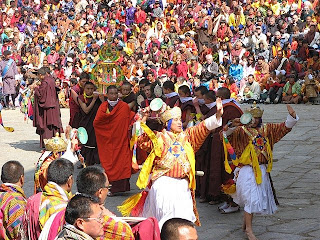
Before traveling to Bhutan worth looking at the calendar annual festivals to coincide with one of them. The Stop Tshechus is the most impressive. It is the city's religious festival that takes place during the spring this year it was in mid-March. Until a few years performing in the courtyard of Rinpung Dzong (fortress / monastery), now due to the large turnout, was passed a few feet away. The show is great, for the dances with masks, embroidered clothing, colors, and the environment. The small town of Paro is celebrating. Children, young and old dress elegantly and there is a market with products from around the country.


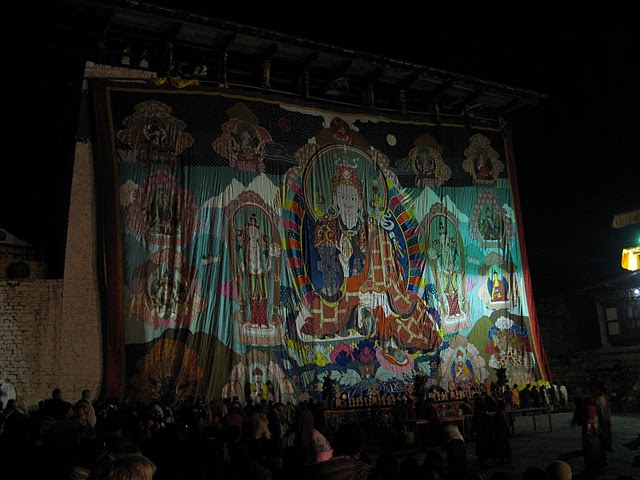
 The main day ceremony begins at dawn (2:30 am), with the hanging of thongdroe l (Giant banner with images of deities) for hours, until the people of the long queues to be blessed. People live this moment with much emotion. On the morning of that day, and without the thongdroe l , resume the presentation of expected dances. Photos © Liana Cisneros
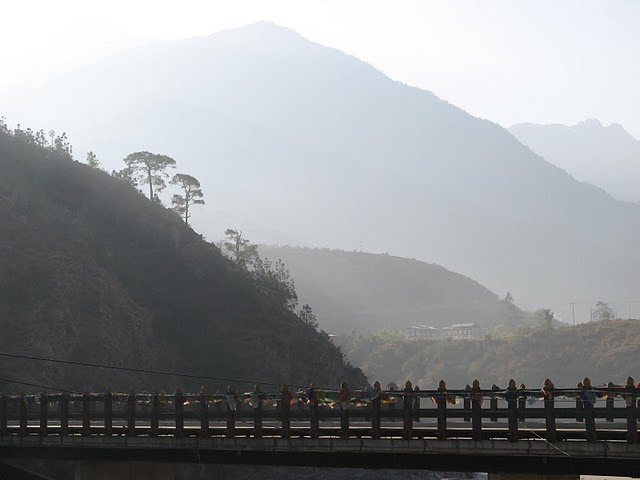 Mountains, the size of its territory and multilingualism take us to Switzerland. The Bhutanese have four official languages, of which two are widely spoken: the Dzongkha and Lhotshamkha or Nepali. Meanwhile, Bumthangkha spoken in central and Tshanglakha in the east. In the main cities (Paro and Thimphu) you can communicate in English, language that children learn in school.


I wear the Bhutanese? Are required to wear traditional clothing in public places. The women Kira (at the beginning of this paragraph, figure 1) , two-piece dress that covers the entire body, and men Gho (fot or 2) , a shirt to the knees. Sometimes wear boots (photo 3) with a strip that identifies his rank in society: the king yellow, orange ministers and deputy ministers, red for government officials, parliamentarians blue and green for the rest of the population.


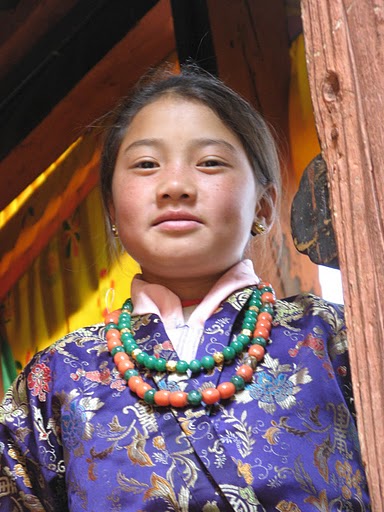


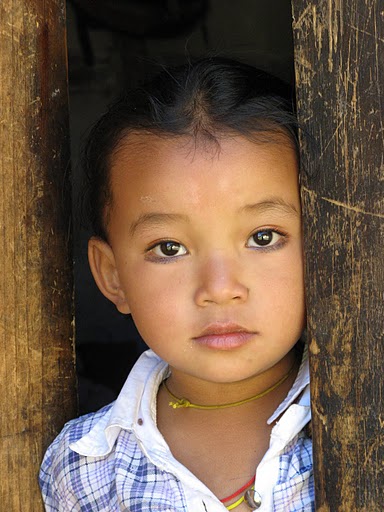
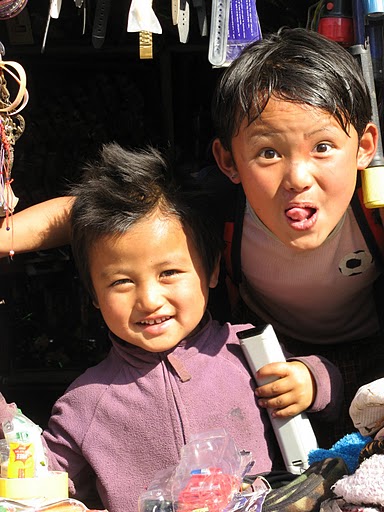

There is a face that identifies the Bhutanese? No. There are many faces with features that are the result of mixing ethnic groups in neighboring countries (India, Nepal, Tibet). Repeatedly told me that seemed Bhutanese. "If I used s K n anger or would any ad uda" , one person told me. They caught the attention of many faces. For the Bhutanese do not mind being photographed, yet it is better to ask first, in return ask to see their images on the screens of digital cameras.
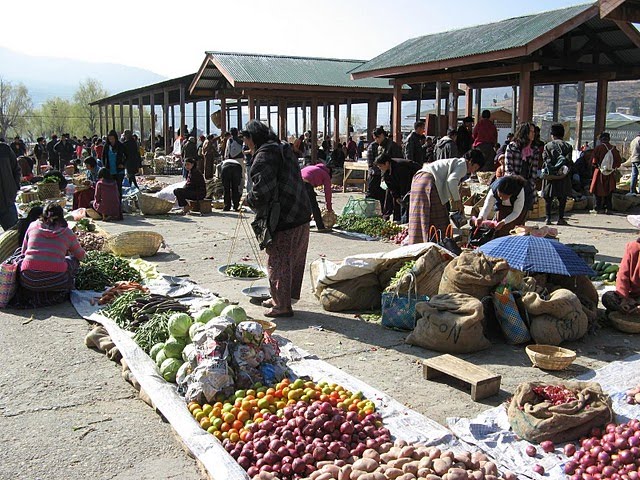
 do they eat? Spicy rice at three meals. One of the most delicious dishes are cooked with cheese turnip. Usually feed on plants, because as Buddhists should not killing animals. However, it is possible to buy fresh meat and sausages in the markets. No fish for not killing fish, but fish imported from India. The weekly markets of fresh produce, such as Saturdays from Paro, is a way to know the products they consume.
 And art and culture? They are everywhere impregnated with religion. In the small National Library of books on Buddhism timpu abound, and in the few rooms are their religious icons. Music and dance are present in the celebrations and festivals throughout the country. There are three musical genres: Zhungdra (traditional tunes and classic), Boedra (folk songs) and R igsar (modern subjects), which combines traditional and modern instruments like the electronic keyboard. The latter young love.

 The film industry is almost nonexistent, such as movie theaters. In some cities the film screenings are held in makeshift tents outside (side, photo 1) . There counted filmmakers, Khandu Rapey (photo 2) met him while touring Paro. But Bhutan is often the scene of shooting of foreign films. Little Buddha by Bernardo Bertolucci, is an example. There are few museums, the most important is in Paro and condenses the history of the country. Nor art galleries abound, I found and visited two, one in Paro and the other in timpu.
 Tshechus or Paro Festival
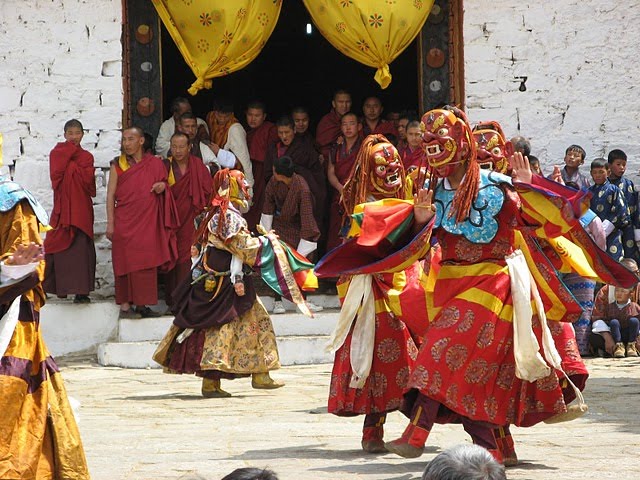



Before traveling to Bhutan worth looking at the calendar annual festivals to coincide with one of them. The Stop Tshechus is the most impressive. It is the city's religious festival that takes place during the spring this year it was in mid-March. Until a few years performing in the courtyard of Rinpung Dzong (fortress / monastery), now due to the large turnout, was passed a few feet away. The show is great, for the dances with masks, embroidered clothing, colors, and the environment. The small town of Paro is celebrating. Children, young and old dress elegantly and there is a market with products from around the country.


 The main day ceremony begins at dawn (2:30 am), with the hanging of thongdroe l (Giant banner with images of deities) for hours, until the people of the long queues to be blessed. People live this moment with much emotion. On the morning of that day, and without the thongdroe l , resume the presentation of expected dances. Photos © Liana Cisneros