Sunday, February 27, 2011

Uterine Fibroid More Condition_symptoms

Carta Blanca Osvaldo Golijov

25-26-27/02/2011 Ariel Hernandez Roque, National Choir

National Orchestra and Choir of Spain
Miguel Harth-Bedoya, director - Joan Cabero, CNE director
Alisa Weilerstein, cello
Biella Da Costa, singer
Maria Hinojosa, soprano
Kayan Kalhor, Persian violin
Tünde Balbastre, cimbalon Michael Ward-Bergeman
, hyper-accordion
Jamey Haddad, percussion
Cyro Baptista, percussion
Adrien Brogna, guitar
Jeremy Flower, computer and sound design

Few works have raised more dust than The Passion According to St. Mark, which opened in Stuttgart Beethovenhalle September 5, 2000. Result of a project, Passion 2000, designed by the Internationale Bachakademie and its artistic director, Helmut Rilling, The Passion meant the third foray into choral music by Osvaldo Golijov and especially given the obvious reference to Bach's celebrated "the Bachakademie Thus the 250 anniversary of the death of the creator of The Art of Fugue, "a major challenge that he shared with three other composers, Tan Dun, Sofia Gubaidulina and Wolfgang Rihm.

Public-ovation at the end of the work was nearly half an hour, and critical surrendered to this singular interpretation of the Gospel signed by a Jewish composer who had to buy a New Testament before starting to work on the score. According to the Los Angeles Times critic Mark Swed, Golijov's Passion "is a wonderful new voice to express the joy and sorrows of a bustling multicultural world, and crosses all ethnic walls as if you did not exist." In The New Yorker, Alex Ross, author of The Rest is Noise (Noise eternal) - went even further: "Madonna im Saal War?" [Was it Madonna who was in the room?], Asked the Stuttgarter Nachrichten. "Oder wenigstens Michael Jackson?" [Or at least Michael Jackson?]. No. Who was in the room was a 39 year old Argentine composer of Jewish origins in Eastern Europe, until The Passion, was known for a piece for string quartet and klezmer clarinet [The Dreams and Prayers of Isaac the Blind] "

Thank You Wedding Program Wording

Tallinn, city light that can not miss Martha Argerich


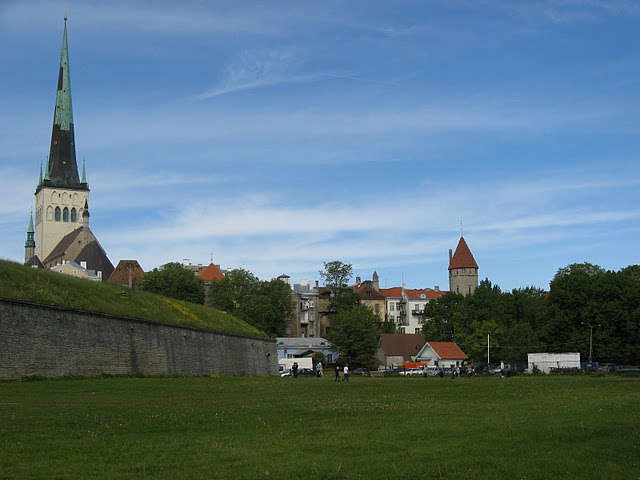
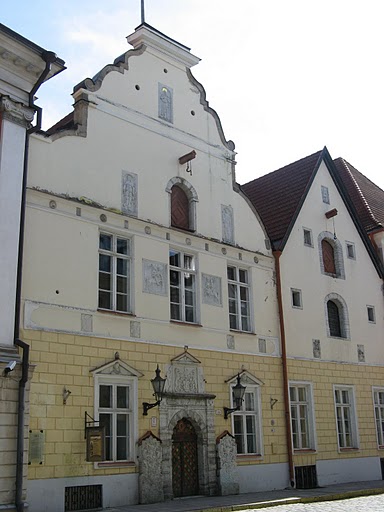
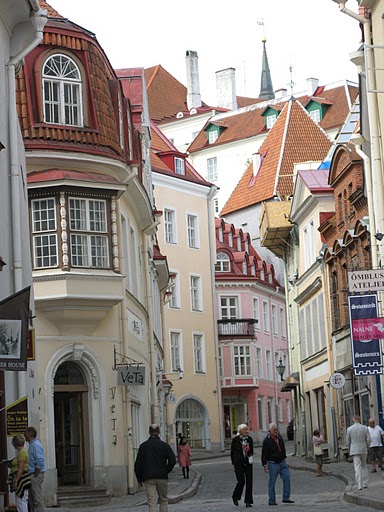
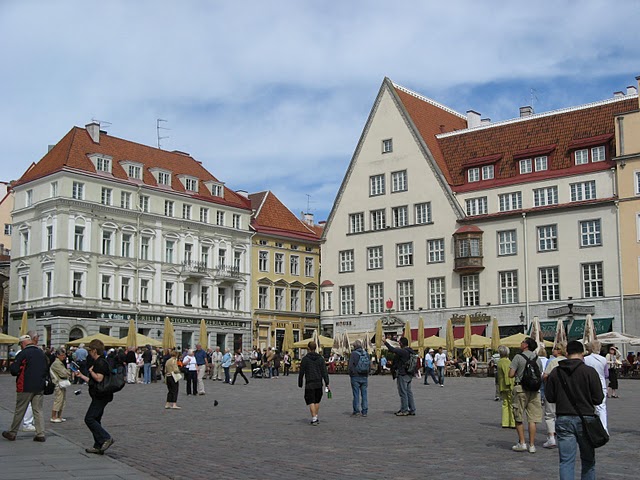
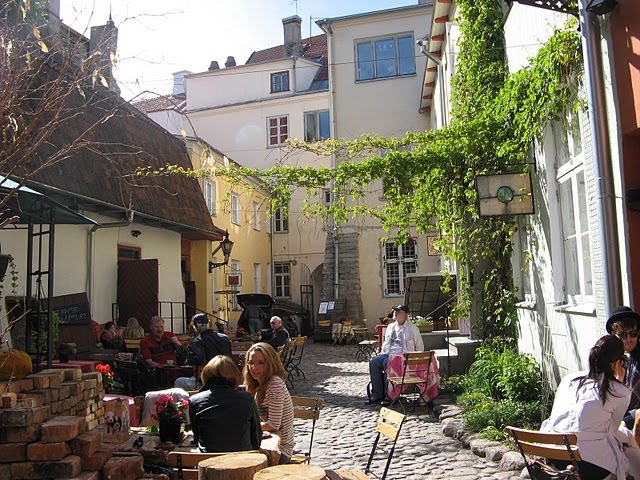
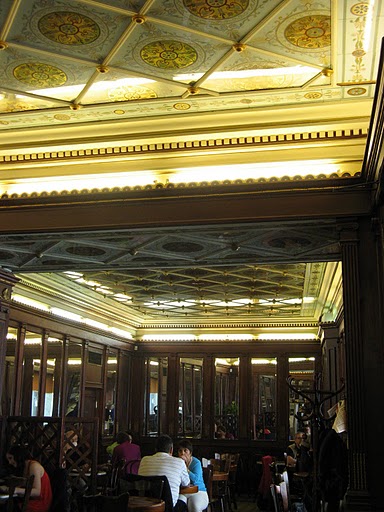
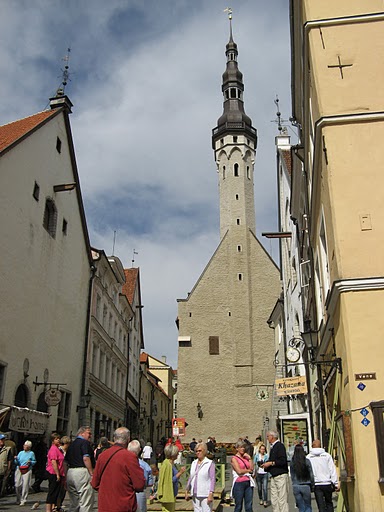
The capital of Estonia, Tallinn, is another European city very well preserved medieval past but living with the present. XIII and XXI centuries interrelate harmoniously and style. It is one of the most beautiful in Europe, full of light and life. The buildings, some more beautiful than others, medieval houses, with basements that served to protect during the war, have become now in nice restaurants, cafes and shops artists.


is the most populous (about 400,000 pop.), And this year is the European Capital of Culture, along with its neighbor Turku (Finland). The historic center is a UNESCO world heritage. Both designations are fully justified. Everything around you is to delight the senses, art and culture at your fingertips: Open spaces, spacious squares, the facades of buildings and doors of homes in endless colors and designs, traditional coffee, the 33 museums the 40 art galleries and 15 churches of different faiths (Catholic, Lutheran, Russian Orthodox, Jewish).

Estonia has always been a pearl desired by neighboring countries. Its dominance has been renamed and culture, which began with the Danes (XIII century), and was followed by the Swedes, Germans and finally the Russians. In the second rule Russian was released not long ago with the fall of the Berlin Wall. History has proved stubbornly that produce trauma dominacaciones not easy to overcome, and Estonia is no exception, as has the young Finnish writer Sofi Oksanen, Finnish father and mother of Estonia, author of award-winning book Purge, a recent Babelia reporting (The Country). Her maternal grandparents were deported to their country and that became, among other things, their relationship. "The phones were intervene nests and could not talk about anything openly you, without charge q ue conference was a process directly d elica do. The letters were censored and could not write certain things. My children's letters, of course, not an er. Pe ro my mother and relatives had a code: they made a mark s that turned the phrase into the opposite ".

Tallinn has a strategic location between Scandinavia and Russia, with long fluid exchange. In 1870 and operated the railroad route Tallinn-St Petersburg. It is located 80 km south of Helsinki, the capital of Finland, an hour by boat. The Finns consider it part of your country, go shopping there because it is cheaper, especially alcoholic beverages. The huge ships are full of Finns, more in a weekend.

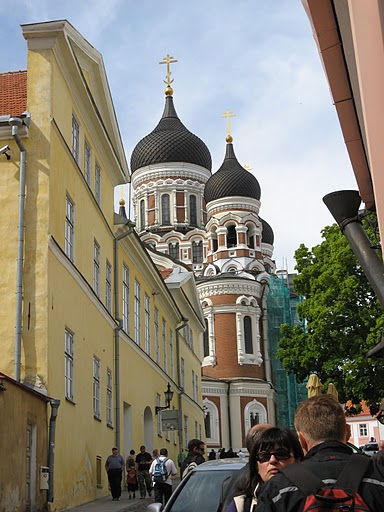
The cultural legacy of foreign domination remains. From the upper town or Toompea have a magnificent view of this heritage, as well as the picturesque red roofs. In Toompea is the castle, once the religious headquarters Parliament today, built by the Danes. Alexander Nevski Cathedral is a Russian-built (1894-1900) in Renaissance style. In the neighborhood of Kadriorg is the palace that bears the same name, built in 1718 by order of Tsar Peter the Great.

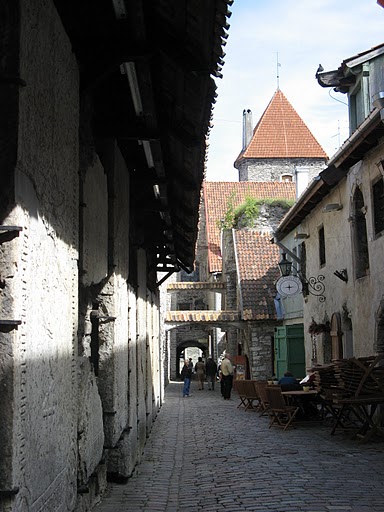
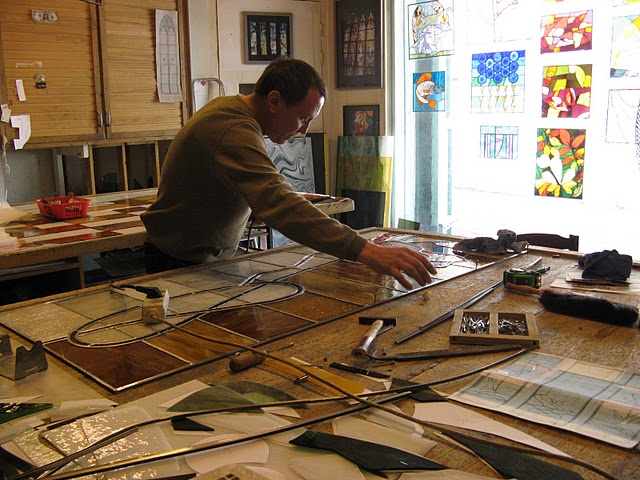
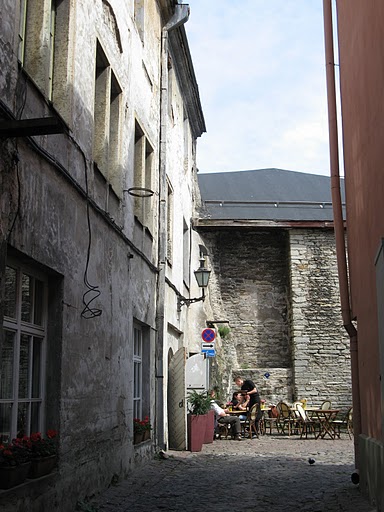
in Tallinn is easy to feel at ease, the people are friendly and cheerful. The tourists are welcome to traditional clothing, and almonds fried with ginger, sugar and pepper. If you have time you can tour the city on foot. It's sort of outdoor museum. Pasaje de Santa Catalina (in Venezuela and Müürivahe), for example, do not miss. In this engaging passage are many craft workshops.

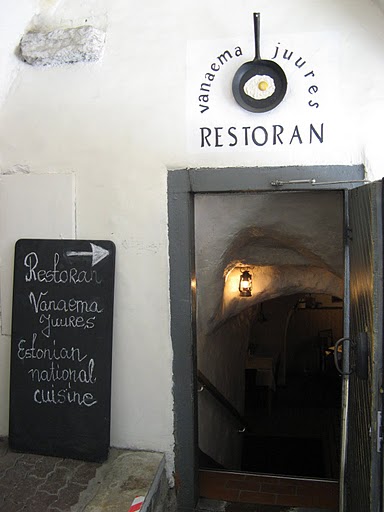
After touring the city, a good lunch option is-national-local food in the restaurant Vanaema J'uures (street Rataskaevu 10-12), a few blocks from Saint Catherine's Passage. It is a basement of a house in the Middle Ages had several uses. The food is delicious and the dishes served generously, not to mention the attention of the friendly staff. You can start with a pan of potatoes (under ) , baked oven with goat cheese, tomatoes, cumin, dill, parsley, milk and eggs. Second: baked salmon fillet and cream cheese and dill pickles. And ending with dessert recipe grandmother's rhubarb Kake, similar to strudel, and accompanied by fresh strawberries in the contours of the plate.